SodaMelt Official Website › Blog › The Caution Line, Row By Row
Pregnant, Nursing Or Under 18: The Caution Line, Row By Row
The SodaMelt bottle carries a caution sentence that names three groups of people, and it is the standard sentence, printed without a reason. This article supplies the reasons, row by row, from the drug and lactation references and the reviews of laxatives in pregnancy, because the answer is not the same for every plant on the panel.
- The label says pregnant or nursing mothers, children under 18 and anyone with a known medical condition should consult a physician before using this or any dietary supplement.
- In pregnancy, a Cochrane review found too little trial data to judge laxatives comprehensively, and the best-studied plant laxative, senna, is not on this panel.
- For nursing, the LactMed entries on cascara, rhubarb, aloe latex, buckthorn and goldenseal each advise avoiding them or say most sources do. Alfalfa has no data at all.
- Senna is the contrast case: usual doses are described as acceptable while breastfeeding, and a measurement study found very little rhein in milk.
- The panel prints no amounts, so nobody can say which of these rows is present at a meaningful level. The caution is doing the job the missing figures cannot.
The four sentences on the bottle
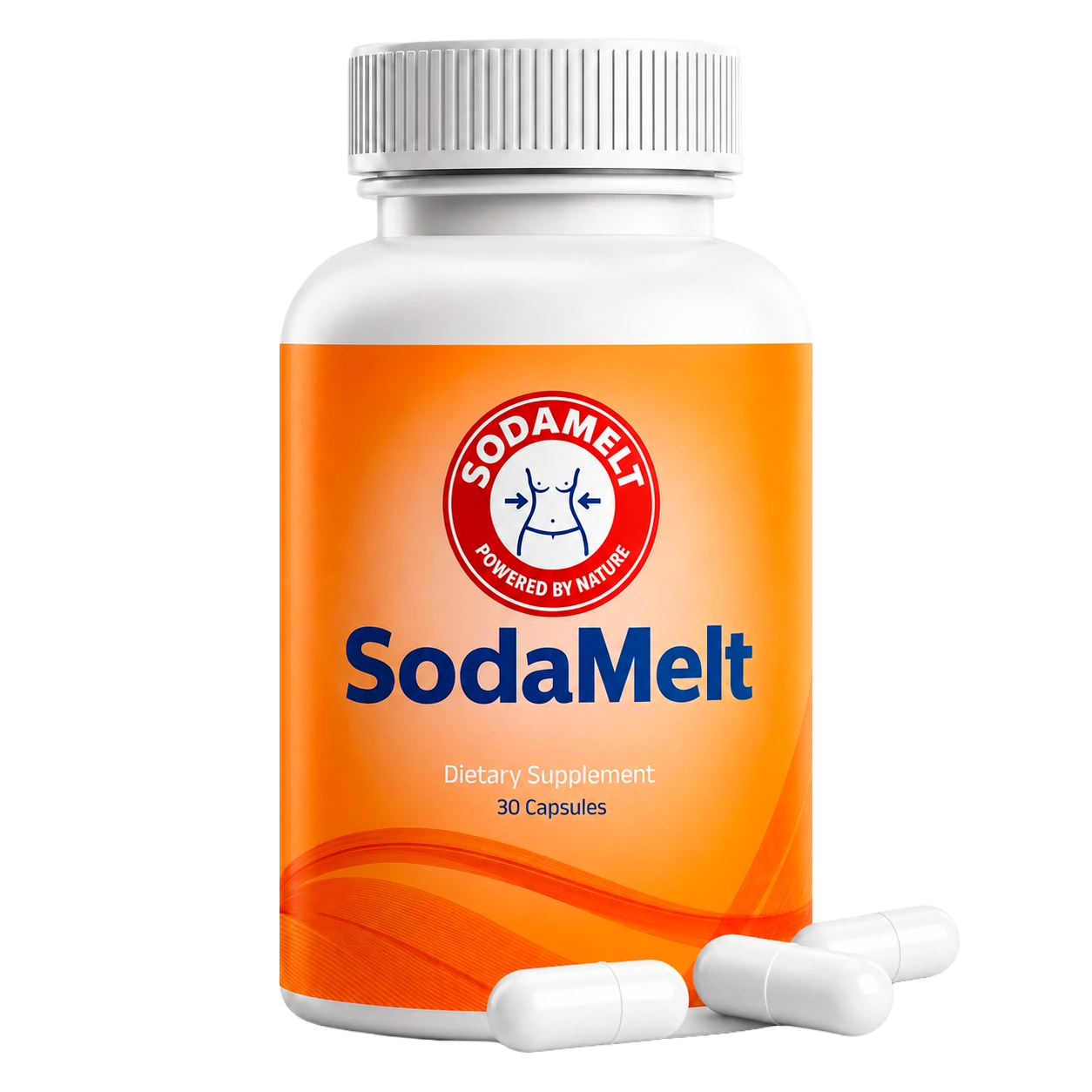
Here is the caution exactly as the label prints it: “Do not exceed recommended dose. Pregnant or nursing mothers, children under the age of 18 and individuals with a known medical condition should consult a physician before using this or any dietary supplement. Keep out of reach of children. Do not use if safety seal is damaged or missing.”
It is four sentences, and every one of them is the standard set. Nothing in them is specific to this formula. There is no line about stimulant laxatives, none about how long to continue, none about goldenseal and prescription medicines. That is not unusual and it is not deceptive. It is how the category prints. But it leaves a reader who is in one of those named groups with an instruction and no explanation, and that is a reasonable thing to want to fill in.
The second sentence is the one to open up. It names three groups: people who are pregnant or nursing, people under 18, and people with a known medical condition. The first two are about who the capsule is for. The third is about what else is going on. This article takes the first two in detail, and then says what the third is likely to catch.
Pregnancy: a thin evidence base
Constipation is common in pregnancy, which is why the question is a real one. What is striking is how little controlled evidence exists on which treatments are best and safest.
A Cochrane systematic review of treatments for constipation in pregnancy included four studies, of which only two, covering 180 women in total, contributed data, and no meta-analysis was possible. One study of 140 women compared stimulant laxatives with bulk-forming laxatives. The women on stimulants had more improvement in constipation (risk ratio 1.59), but also more abdominal discomfort (risk ratio 2.33) and a borderline increase in diarrhoea. Satisfaction did not differ. In a single 40-woman study, fibre supplementation raised stool frequency by about 2.2 times a week compared with no intervention. The reviewers concluded there was insufficient evidence to assess effectiveness and safety comprehensively (the Cochrane review of constipation treatments in pregnancy).
A later clinical review of the safety of laxatives in pregnant women reaches a compatible conclusion from a different angle: current understanding of the safety of both over-the-counter and prescription laxatives has not been adequately evaluated (the review of laxative safety profiles in pregnancy).
The one stimulant that has been studied
Where data do exist, they concern senna. A large Hungarian case-control study compared 22,843 babies born with congenital abnormalities with 38,151 matched controls. Senna had been used by mothers of 2.2 percent of the cases and 2.5 percent of the controls, an adjusted odds ratio of 1.0, and there was no higher risk for any of 23 groups of abnormality. The typical dose was about 20 mg a day, within a range of 10 to 30 mg (the case-control study of senna in pregnancy). That is a reassuring result, and it is a result about one plant at a known dose.
It is not a result about this panel. Senna is not on it. Cascara, aloe, rhubarb and buckthorn belong to the same chemical family, and that is a family resemblance, not a transferable safety record. The 2017 review of herbal laxatives in pregnancy is direct about it: for rhubarb it found no human data and reported animal studies in which the emodin content induced fetal abnormalities, while calling senna the herbal laxative that is safe for the whole length of pregnancy (the review of herbal laxatives and antiemetics in pregnancy).
After the birth
The postpartum period is where many nursing mothers meet constipation, and the trial record there is emptier still. A Cochrane review of treatments for postpartum constipation notes that haemorrhoids, pain at the episiotomy site, pregnancy hormones and the iron supplements used in pregnancy can all raise the risk, that a high-fibre diet and more fluid are encouraged, and that laxatives are the common drug of choice, but that their effectiveness and safety in nursing mothers still needed to be ascertained. It then reports that it found no studies to include, and could not reach explicit conclusions about any intervention (the Cochrane review of treatments for postpartum constipation).
That is a striking finding. It means that for a woman who has just given birth and is looking for something for constipation, there is no randomised evidence in the review to say which option is best. The absence is not a reason to reach for the product with the fewest data. It is a reason to ask the clinician who delivered the baby what they recommend.
Nursing: the LactMed entries, row by row
The National Library of Medicine's Drugs and Lactation Database, LactMed, has entries on seven of the plants that appear on or near this panel. Read together, they are the closest thing to a row-by-row answer.
| Panel row | Position | What LactMed says, in short |
|---|---|---|
| Alfalfa | 2 | No data on excretion into milk or on safety in nursing mothers or infants; no valid trials support it for milk supply; avoid if on warfarin (vitamin K) (entry) |
| Chinese rhubarb | 4 | Two very old studies found no passage into milk, but most recent reviewers say not to use it while breastfeeding (entry) |
| Aloe (latex) | 6 | Aloe latex, the anthraquinone laxative, should not be used during breastfeeding; the gel is a separate material (entry) |
| Cascara sagrada | 7 | Might cause loose stools in some breastfed infants and should be avoided; other cathartics are preferred (entry) |
| Goldenseal | 8 | No excretion data; berberine can displace bilirubin, a concern for newborns; most sources advise avoiding neonatal exposure (entry) |
| Buckthorn | 9 | Cathartic buckthorn products might cause loose stools in breastfed infants; avoid (entry) |
Six rows, six entries. Five carry an avoid-type statement or say most sources do, and the sixth has no data. Oat, psyllium, gentian, bentonite, Lactobacillus acidophilus and calcium are not covered here.
That is a pattern worth stating plainly: of the six plants with entries, none carries a clear all-clear. Five say, in one form or another, to avoid or that most sources advise avoiding. The sixth, alfalfa, is a shrug, which for a nursing mother is not the same thing as safe. The rhubarb article and the buckthorn article take two of those rows in more detail.
One more point about the table is easy to miss. For alfalfa, the entry says no data exist. That is not the same as a finding of safety, and it is not the same as a finding of harm. It is an honest empty cell. The other five entries lean toward avoidance because a reviewer had something to go on, whether that was an old report of loose stools in infants or a mechanism that raised a concern. A reader in the nursing group is better served by treating an empty cell as an open question than as a green light.
Read the panel first, then decide about SodaMelt
Twelve names, one weight order, 30 capsules a bottle, and 60 days from the purchase date to change your mind.
One bottle $89 · six bottles $294 · 60-day money-back guarantee
Order SodaMelt On The Official WebsiteOne capsule a day · 30 per bottle · lot SOD-26/GO-2953
The contrast case: what an acceptable entry looks like
It is fairer to see what the reference says when the answer is reassuring, because that is what makes the rest of the table meaningful. The senna entry reads: although an early uncontrolled report using an old senna product found increased frequency of diarrhoea in breastfed infants, several controlled studies using modern senna products found no effect on the infant, and usual doses of senna are acceptable to use during breastfeeding (the LactMed entry on senna).
The evidence behind that is a measurement study of 20 postpartum women. After 3 days on a standard senna and psyllium laxative containing 15 mg of sennosides a day, rhein concentrations in 100 milk samples ranged from 0 to 27 nanograms per millilitre and were below 10 in 94 percent. About 0.007 percent of the sennoside dose appeared in milk as rhein, and none of the breastfed infants had abnormal stool consistency (the study of rhein excretion into breast milk).
Two things stand out. The reassurance comes from a specific compound at a specific dose, measured in milk. And that kind of measurement does not exist, in what this research found, for the other four stimulant plants on this panel. It is a useful test: when a caution has a reason behind it, the reason usually shows up as a missing measurement, not as a proven harm.
Under 18
The second group is simpler. The label says children under the age of 18 should consult a physician, and the seller's own documents describe the product as for adults aged 18 and over. Constipation in children is treated as its own subject, with its own guideline from the European and North American paediatric gastroenterology societies, which sets out separate approaches for infants under six months and for older infants and children (the ESPGHAN and NASPGHAN guideline on functional constipation in children).
The practical reading is that an adult capsule is not a child's dose scaled down, and a young person with constipation is a case for a clinician, not for a supplement shelf. The line about keeping the bottle out of reach of children is the ordinary hazard of any supplement bottle in a home, and it is a good habit with this one, because a capsule that contains several stimulant plants is not something a child should take by accident.
What a known medical condition is likely to catch
The third group is the widest, and the label leaves it open on purpose. On this panel it is worth translating into specifics, because the specifics are what a physician or pharmacist can act on.
- Anyone on a prescription cleared through the liver. Goldenseal is the row with the enzyme literature, and the article on goldenseal and the medicines it touches sets it out.
- Anyone on warfarin. LactMed's alfalfa entry flags vitamin K, and warfarin is managed by keeping vitamin K steady.
- Anyone with an inflammatory bowel condition, an obstruction, or a history of bowel problems. Whether a stimulant suits those situations is a decision for whoever is treating them.
- Anyone on diuretics, or on a heart medicine that is sensitive to potassium. The four stimulant herbs article notes that potassium loss is the interaction that pairs with this family.
None of that is a reason to be alarmed. It is a short list to carry into a five-minute conversation, which is how the label's own sentence is meant to work.
What to bring to the conversation
A five-minute appointment goes further with a short list, and this panel is easy to summarise. Bring the bottle or a photograph of the label. Say what else you take, including over-the-counter medicines and other supplements, because the interactions on this panel are with other products, not with the capsule alone. Say whether you are pregnant, planning a pregnancy or breastfeeding, and roughly how long you expect to use it.
Then ask three things. Are any of the plants on the list, in particular cascara, aloe, Chinese rhubarb and buckthorn, a concern for my situation? Is there an option with better evidence that I should try first? And if I do use it, how long is a sensible course? None of those needs a lot of knowledge from the reader. They are the questions the printed caution exists to prompt, and a clinician will recognise them at once.
If you are in one of these groups
The plain version is short. If you are pregnant, planning a pregnancy or nursing, talk to your clinician before starting, and bring the bottle. The evidence for other options is not perfect either, but there are options with more data behind them, including fibre supplementation in the Cochrane review and senna in the case-control study. Those are the ones a clinician is likely to raise, and they are not on this panel.
The seller's return window is 60 days from purchase and covers opened bottles, according to its own pages, which means there is no financial pressure to start a bottle before the conversation. The guarantee page has the terms.
What this article is not saying
It does not say the capsule is unsafe in pregnancy or while nursing. It says the evidence is thin, that the entries that exist lean toward avoidance, and that the amounts are not printed, which is precisely the situation in which a printed caution matters most. It does not say the label is wrong. The label is right to name the groups, and it is only silent on the reasons.
Reading the caution row by row also makes a general point. A single sentence on a bottle can stand in for seven or eight separate literatures, and a reader who is in one of the named groups is best served by asking what each row's literature says. That is usually a shorter conversation than it sounds.
References
- Rungsiprakarn P, Laopaiboon M, Sangkomkamhang US, Lumbiganon P, Pratt JJ. Interventions for treating constipation in pregnancy. Cochrane Database Syst Rev. 2015;2015(9):CD011448. PMID 26342714. https://pubmed.ncbi.nlm.nih.gov/26342714/
- Brigstocke S, Yu V, Nee J. Review of the Safety Profiles of Laxatives in Pregnant Women. J Clin Gastroenterol. 2022;56(3):197-203. PMID 35050942. https://pubmed.ncbi.nlm.nih.gov/35050942/
- Acs N, Bánhidy F, Puhó EH, Czeizel AE. Senna treatment in pregnant women and congenital abnormalities in their offspring--a population-based case-control study. Reprod Toxicol. 2009;28(1):100-4. PMID 19491001. https://pubmed.ncbi.nlm.nih.gov/19491001/
- Samavati R, Ducza E, Hajagos-Tóth J, Gaspar R. Herbal laxatives and antiemetics in pregnancy. Reprod Toxicol. 2017;72:153-158. PMID 28610933. https://pubmed.ncbi.nlm.nih.gov/28610933/
- Turawa EB, Musekiwa A, Rohwer AC. Interventions for treating postpartum constipation. Cochrane Database Syst Rev. 2014;2014(9):CD010273. PMID 25246307. https://pubmed.ncbi.nlm.nih.gov/25246307/
- Alfalfa. Drugs and Lactation Database (LactMed). Bethesda (MD): National Institute of Child Health and Human Development; 2006-. Read 26 September 2026. PMID 30000890. https://pubmed.ncbi.nlm.nih.gov/30000890/
- Rhubarb. Drugs and Lactation Database (LactMed). Bethesda (MD): National Institute of Child Health and Human Development; 2006-. Read 26 September 2026. PMID 30000922. https://pubmed.ncbi.nlm.nih.gov/30000922/
- Aloe. Drugs and Lactation Database (LactMed). Bethesda (MD): National Institute of Child Health and Human Development; 2006-. Read 26 September 2026. PMID 30000889. https://pubmed.ncbi.nlm.nih.gov/30000889/
- Cascara Sagrada. Drugs and Lactation Database (LactMed). Bethesda (MD): National Institute of Child Health and Human Development; 2006-. Read 26 September 2026. PMID 30000387. https://pubmed.ncbi.nlm.nih.gov/30000387/
- Goldenseal. Drugs and Lactation Database (LactMed). Bethesda (MD): National Institute of Child Health and Human Development; 2006-. Read 26 September 2026. PMID 30000926. https://pubmed.ncbi.nlm.nih.gov/30000926/
- Buckthorn. Drugs and Lactation Database (LactMed). Bethesda (MD): National Institute of Child Health and Human Development; 2006-. Read 26 September 2026. PMID 30000918. https://pubmed.ncbi.nlm.nih.gov/30000918/
- Senna. Drugs and Lactation Database (LactMed). Bethesda (MD): National Institute of Child Health and Human Development; 2006-. Read 26 September 2026. PMID 30000408. https://pubmed.ncbi.nlm.nih.gov/30000408/
- Faber P, Strenge-Hesse A. Relevance of rhein excretion into breast milk. Pharmacology. 1988;36 Suppl 1:212-20. PMID 3368521. https://pubmed.ncbi.nlm.nih.gov/3368521/
- Tabbers MM, DiLorenzo C, Berger MY, Faure C, Langendam MW, Nurko S, et al. Evaluation and treatment of functional constipation in infants and children: evidence-based recommendations from ESPGHAN and NASPGHAN. J Pediatr Gastroenterol Nutr. 2014;58(2):258-74. PMID 24345831. https://pubmed.ncbi.nlm.nih.gov/24345831/