SodaMelt Official Website › Blog › Oat Straw And Oat Bran
Oat Straw Is Not Oat Bran
Avena sativa reaches supplement panels as two completely different raw materials, and the cholesterol research everybody quotes belongs to only one of them. This label names the plant part in brackets, which is more than most manage, and the part it names is not the one the fibre literature studied.
- Oat grain, bran and oatmeal carry beta-glucan, the soluble fibre behind the cholesterol evidence.
- Oat straw is the threshed stem. A 2024 chemical study describes a lipophilic profile with no relation to porridge.
- The cholesterol meta-analysis everybody cites ran at three grams of beta-glucan a day or more.
- This panel prints straw, inside a 250 mg blend shared by 11 names, with no figure of its own.
- Naming the plant part in brackets is a genuine disclosure. It is also what makes the gap visible.
One plant, two raw materials
An oat crop yields two things. The grain goes to the kitchen, to the mill and into the cholesterol literature. The stalk left standing in the field is cut, dried and sold as straw, and it has its own long history in traditional preparations.
They are not grades of the same material. They are different tissues with different chemistry, harvested separately and used for different purposes, and a panel that says Avena sativa without saying which one has told you very little.
| Grain, bran and oatmeal | Straw, the threshed stem | |
|---|---|---|
| What it is | The seed and the layer around it | The dried stalk left in the field after the grain is taken |
| The compound it is known for | Beta-glucan, a soluble gel-forming fibre | Lipophilic compounds, sterols and waxes profiled in a 2024 chemical study |
| Where the human trials sit | Cholesterol lowering, at three grams of beta-glucan a day or more | Mostly extracts studied for cognition rather than digestion |
| What a digestion formula would want from it | The soluble fibre | Not established |
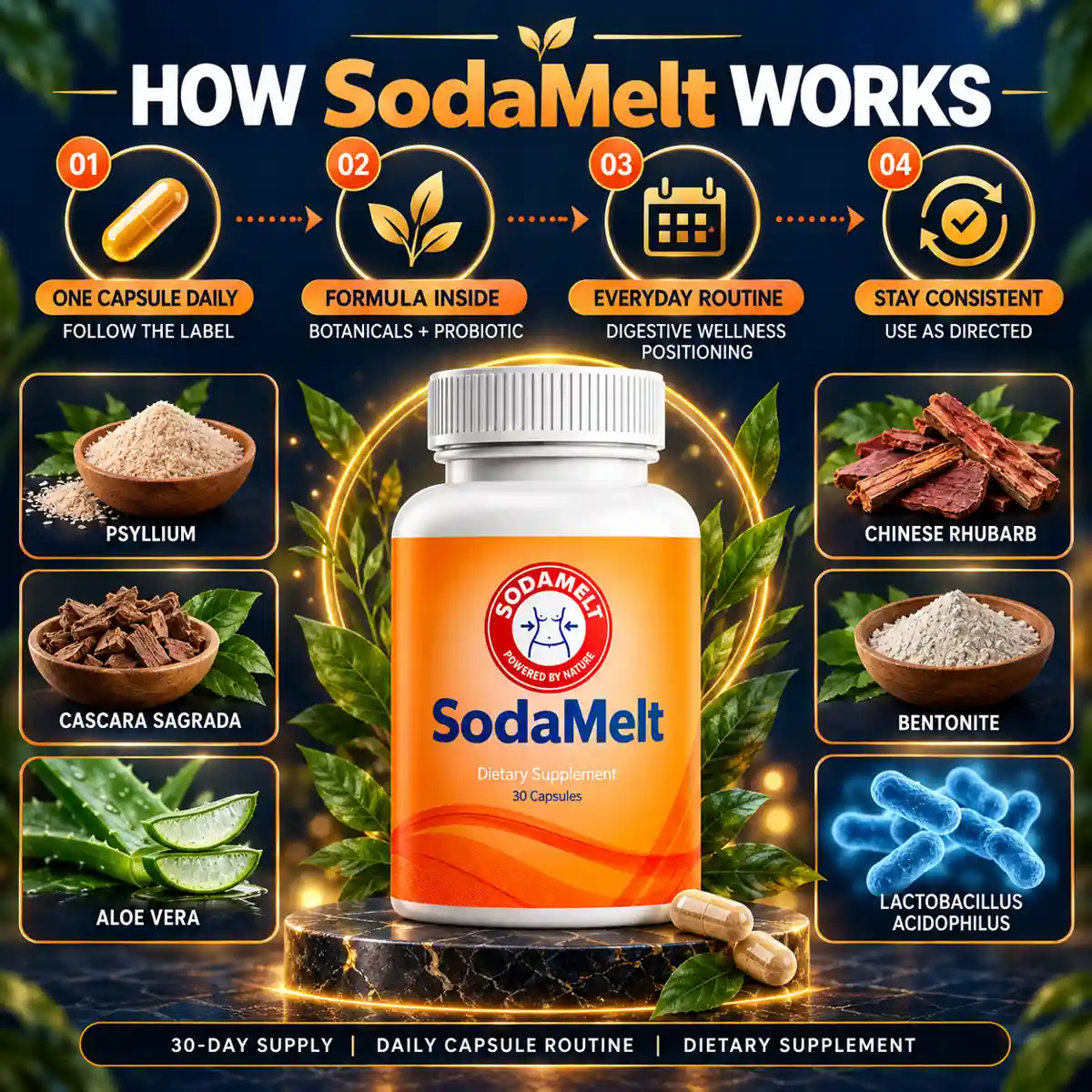
| What this panel carries | — | Oat (Avena sativa, straw) |
Two materials from one plant, separated by which end of it was harvested. The last row is read from the printed label.
The last row is the one that makes this post possible. Without the bracket, nobody outside the manufacturer could tell which material is in the capsule.
Where the oat reputation comes from
Oats carry a soluble fibre called beta-glucan that forms a viscous gel in the gut, and that gel is the mechanism behind the reputation. The cholesterol meta-analysis pooled randomised controlled trials and found the effect at three grams a day of beta-glucan or more.
Three grams of beta-glucan is not three grams of oats. It is the amount of one fibre fraction, which is why food labels carrying that claim talk about servings of oatmeal rather than about capsules.
The gel-forming behaviour is the same family of mechanism as psyllium, and the review distinguishing soluble gels from coarse insoluble fibre is worth reading alongside it. Both work by volume, and both are therefore dosed in grams.
The other oat literature, and where it points
Oat is also studied as a herb rather than a grain. A systematic review of randomised trials of Avena sativa extract looked at cognitive function, which is a different outcome in a different population with a different preparation. It is not evidence for a digestion row, and it is not cited here as if it were.
What oat straw actually is
Straw is the stem. After the grain has been threshed out, what remains is a dry stalk made largely of structural material, and its chemistry reflects that.
A 2024 study of the lipophilic compounds in oat straw profiled it across seasons and describes a composition of waxes, sterols and fatty compounds. None of that is the soluble beta-glucan the cholesterol work is about, and none of it has a digestive trial behind it.
Three honest statements about oat straw follow from that:
- It has a long traditional record, which is a real thing and not an evidentiary one.
- It has no controlled human trial for digestive outcomes at any amount.
- It cannot inherit the beta-glucan literature, because it does not contain the compound that literature is about.
Why the straw ends up in formulas at all
Straw is an agricultural by-product, which makes it cheap and plentiful, and it carries the word oat on a panel. Those two facts explain a good deal of its presence on supplement shelves without anybody having to be accused of anything. It is also genuinely traditional: oat straw baths and infusions appear in herbal texts long before anyone had isolated a beta-glucan.
What a formulator gets from it in a digestion capsule is harder to state. It is not a meaningful source of soluble fibre, it has no established digestive action, and at a share of a 250 milligram blend it is present in a very small amount whichever way the blend is weighted. The most defensible description is the one this desk uses: a traditional herb, named honestly, with nothing claimed for it.
Reading the oat row on the SodaMelt panel
A row that prints Avena sativa and then the word straw is doing something useful even when the news it carries is unwelcome. A great many labels write oat extract and stop, which leaves a buyer to assume the most flattering reading.
| What the label prints | What the cited evidence used | The gap |
|---|---|---|
| Oat, straw | Oat beta-glucan from grain, bran and oatmeal | A different part of the plant with a different chemistry |
| Inside a 250 mg blend, no individual figure | Three grams of beta-glucan a day or more | Three orders of magnitude, before the plant part is even considered |
| No standardisation marker | Trials describe beta-glucan content directly | Nothing to compare even if the part matched |
| One name of eleven inside a single blend line | Single-ingredient interventions in most of the trials | The blend cannot be attributed to any one member |
The left column is read off the label artwork. The middle is what the published work used, not a prediction about this capsule.
Each line of that table widens the distance independently. Fix the plant part and the amount is still three orders of magnitude short. Raise the amount and the part is still the stem. That is why this row is one of the clearest single criticisms anyone can make of this formula, and why it appears on the ingredients page rather than only here.
Read the SodaMelt panel with the plant parts in front of you
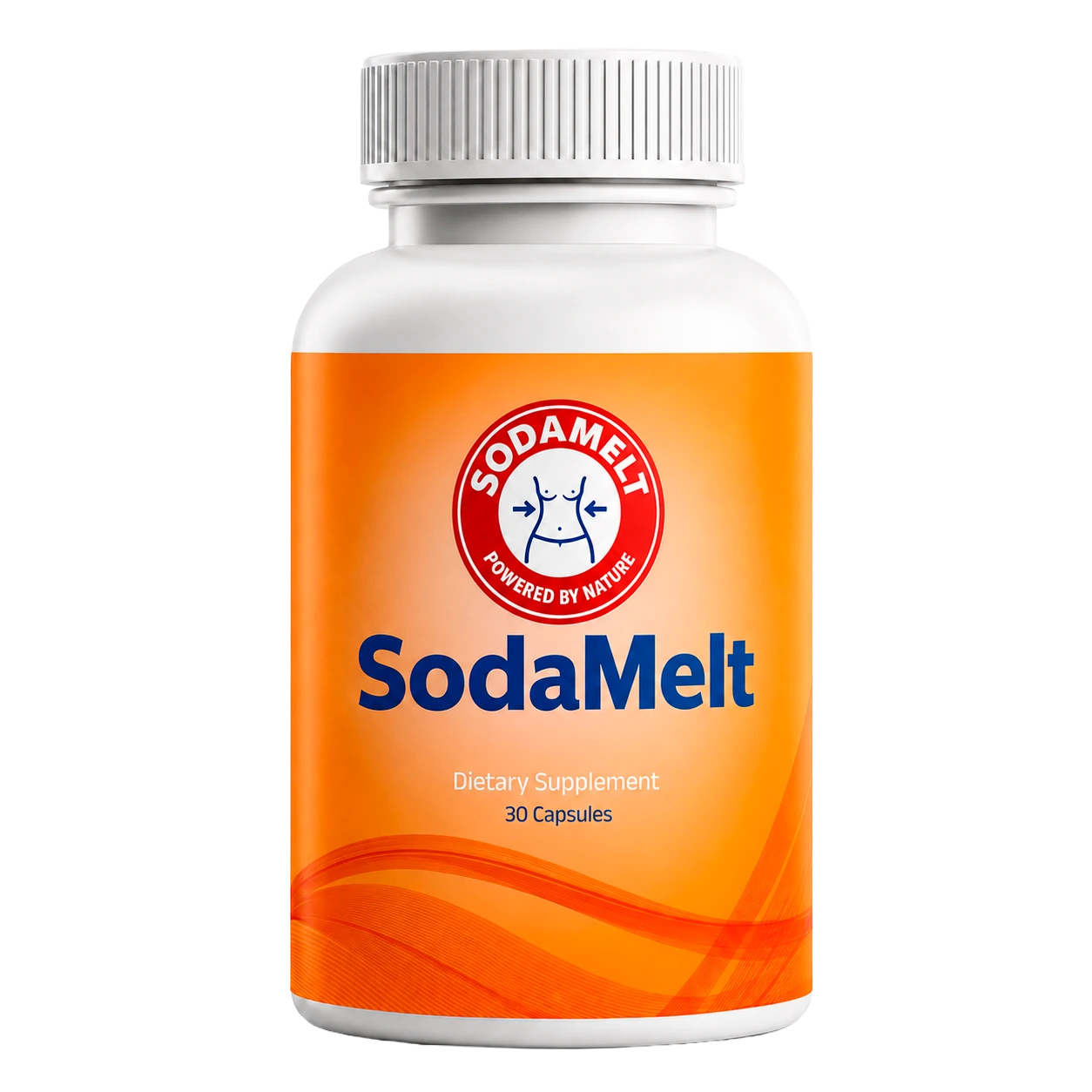
Straw, herb, husk, root, leaf and bark, each printed beside the name it belongs to. One capsule a day, 30 to a bottle, and 60 days from purchase to change your mind.
One bottle $89 · six bottles $294 · 60-day money-back guarantee
Order SodaMelt On The Official WebsiteOne capsule a day · 30 per bottle · lot SOD-26/GO-2953
Why this substitution is so easy to miss
Three things conspire. The species name is correct, so nothing looks wrong. The word oat carries a health association built by decades of breakfast advertising. And the reference list on a seller's page can cite a beta-glucan paper perfectly honestly while the panel carries straw, because the paper is about oats and so, technically, is the ingredient.
That is why the plant part is the single most useful thing to look for on any botanical panel. It is usually printed in brackets, it takes a second to read, and it decides whether the research a seller gestures at applies at all.
Find the plant part on the panel, then check which part the study used. Where they differ, the research does not transfer, however correct the Latin is.
What the straw is not being accused of
The criticism here is narrow, and its edges matter.
- Not inert. Oat straw has a traditional record and a chemistry of its own. What it does not have is a digestive trial, which means nothing can be claimed for it rather than that nothing happens.
- Not a safety problem. Nothing in the literature flags oat straw as a hazard at supplement amounts. This is a question about evidence, not about risk.
- Not concealed. The bracket is on the panel where anyone can read it. A label that wanted to hide this would simply have written oat extract.
- Not the biggest issue on this label. That is the single blend figure, which is dealt with in its own post.
Four questions for any oat row
- Does the label name the plant part, or does it stop at the species?
- If the part is grain or bran, is a beta-glucan content given?
- Is the amount in grams? The cholesterol evidence starts at three grams of beta-glucan a day.
- Is the row inside a proprietary blend, in which case none of the first three can be answered?
On this bottle the answers run: yes it names the part, no beta-glucan content because the part is straw, no the amount is not in grams, and yes it sits inside the blend. One of the four goes the right way, and it is the one that let the other three be checked.
A dietary supplement for adults of 18 and over, not a medicine and not FDA-approved. Nothing in this post says the formula does not work; it says one row of it cannot borrow a body of research that belongs to a different part of the same plant. The benefits page sets out what the seller is actually permitted to say.
References
- Whitehead A, Beck EJ, Tosh S, et al. Cholesterol-lowering effects of oat beta-glucan: a meta-analysis of randomized controlled trials. Am J Clin Nutr. 2014;100(6):1413-21. PMID 25411276. https://pubmed.ncbi.nlm.nih.gov/25411276/
- Marques G, Gutierrez A, Barro F, et al. Seasonal Variability of Lipophilic Compounds in Oat (Avena sativa L.) Straw: A Comprehensive Chemical Study. J Agric Food Chem. 2024;72(36):19891-19903. PMID 39225266. https://pubmed.ncbi.nlm.nih.gov/39225266/
- Jibril AT, Arero AG, Kankam SB, et al. Effect of Avena sativa (Oats) on cognitive function: A systematic review of randomized controlled trials. Clin Nutr ESPEN. 2023;53:144-150. PMID 36657906. https://pubmed.ncbi.nlm.nih.gov/36657906/
- McRorie JW Jr, Fahey GC Jr, Gibb RD, et al. Laxative effects of wheat bran and psyllium: Resolving enduring misconceptions about fiber in treatment guidelines for chronic idiopathic constipation. J Am Assoc Nurse Pract. 2020;32(1):15-23. PMID 31764399. https://pubmed.ncbi.nlm.nih.gov/31764399/